

Asylum and international protection are essential concepts in today’s interconnected world, particularly in light of ongoing global conflicts, human rights violations, and the increasing frequency of climate-related disasters. Understanding these processes is crucial for anyone involved in humanitarian work or interested in the nuances of international law. For those seeking further information on this topic, consult resources such as Asylum & International Protection. This article will unpack the various facets of asylum and international protection, exploring their significance, the application process, rights afforded to asylum seekers, and the challenges they face.
What is Asylum?
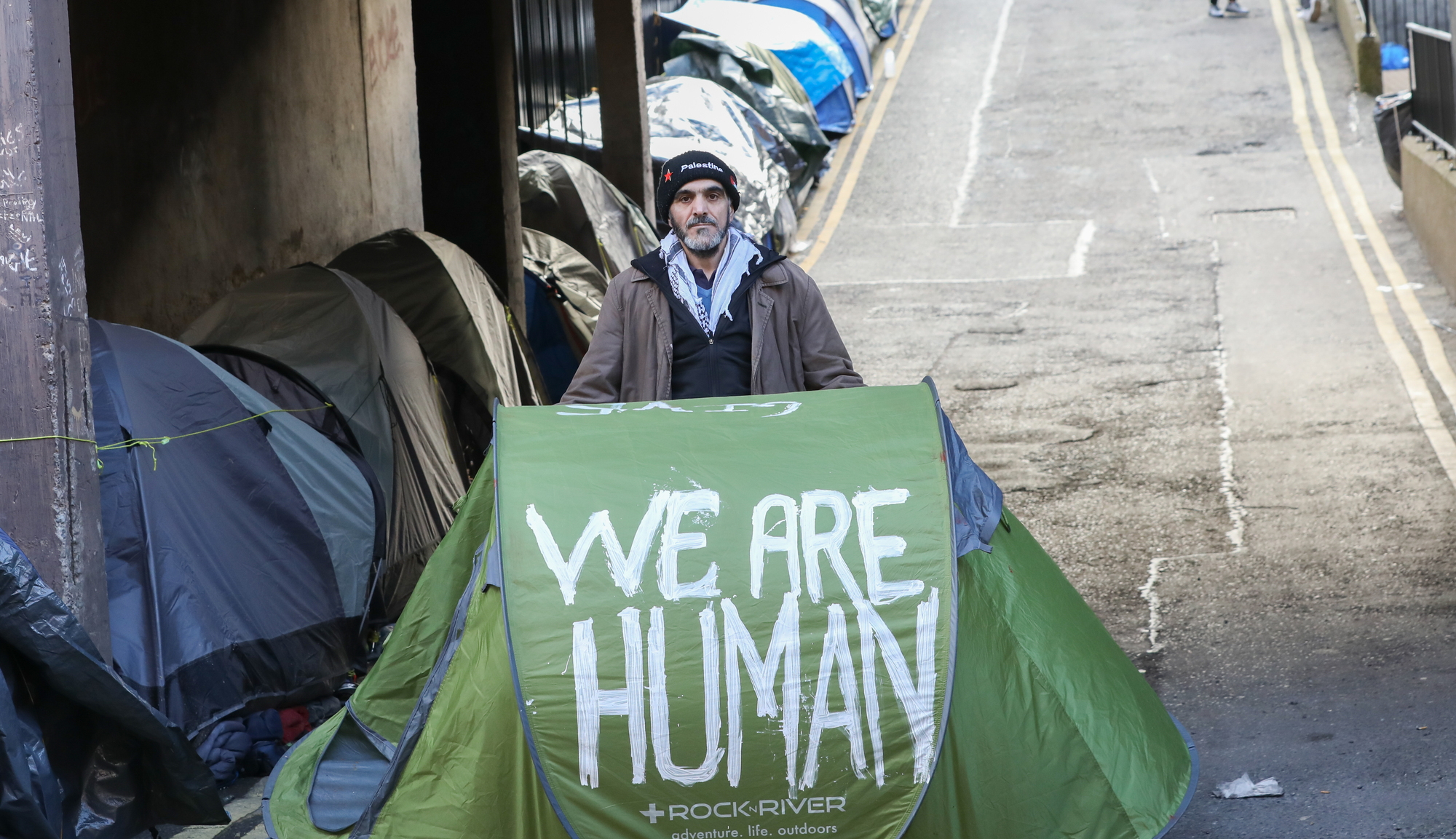
Asylum is a form of international protection granted to individuals who flee their home countries due to a well-founded fear of persecution. This persecution can be based on various factors, including race, religion, nationality, political opinion, or membership in a particular social group. The core principle of asylum is that individuals should not be returned to a country where they face serious threats to their life or freedom.
Legal Foundations of Asylum
The legal basis for asylum is primarily found in international agreements such as the 1951 Refugee Convention and its 1967 Protocol. These documents outline the rights of asylum seekers and the obligations of states in providing protection. The Convention defines a refugee and provides guidelines for countries on how to handle claims for asylum. Furthermore, international human rights instruments, such as the International Covenant on Civil and Political Rights, reinforce the protection of individuals against refoulement, or forced return to a place where they might be at risk.
Application Process
The asylum application process can vary significantly from country to country. However, there are some common steps that are typically involved:
- Initial Reporting: An individual seeking asylum must demonstrate their need for protection, commonly upon arrival at a country’s border or at a designated office.
- Filing an Application: The individual must fill out a formal application, often requiring detailed information about their identity, experiences, and reasons for seeking asylum.
- Interview: Asylum seekers usually undergo an interview with immigration officials to further assess the validity of their claims.
- Decision: After evaluation, the immigration authority will either grant asylum or deny the application. In cases of denial, the individual may have the opportunity to appeal the decision.
Rights of Asylum Seekers
Asylum seekers have specific rights under international law. These include the right to:
- Seek asylum and receive protection.
- Fair treatment during the application process.
- Legal representation and assistance.
- A safe environment where they cannot be forcibly returned to a country where their life or freedom would be threatened.
Moreover, once granted asylum, individuals receive similar rights as citizens, including the ability to work, access education, and healthcare.
Challenges Faced by Asylum Seekers
Despite the legal protections established for asylum seekers, many face significant challenges throughout the application process and after being granted asylum. Some of these challenges include:
- Language Barriers: Many asylum seekers may not speak the local language, which can hinder their ability to communicate effectively during the application process and access necessary services.
- Legal Complexities: The legal processes involved in seeking asylum can be complex and overwhelming. Many individuals may lack access to legal representation, significantly affecting their chances of a successful claim.
- Social Stigma: Asylum seekers may encounter prejudice from local populations, leading to social isolation and difficulty integrating into society.
- Uncertain Outcomes: The fear of not knowing whether their application will be accepted can lead to significant psychological stress.
International Protection
International protection encompasses various forms of protection available to individuals who cannot safely return to their home country. This includes not only asylum but also complementary forms of protection for those who do not meet the strict definition of a refugee but still face serious threats. The need for international protection is growing, especially due to environmental factors, armed conflicts, and evolving patterns of migration.
Complementary Protection
Complementary protection mechanisms have been developed in many countries to fill gaps left by traditional asylum systems. For instance, individuals who may be at risk of torture, inhumane or degrading treatment, or arbitrary deprivation of life may qualify for protection under complementary protections even if they do not meet the strict refugee criteria. These legal frameworks help protect vulnerable populations who might otherwise be left without any safeguard against return to danger.
Global Trends and Evolving Policies
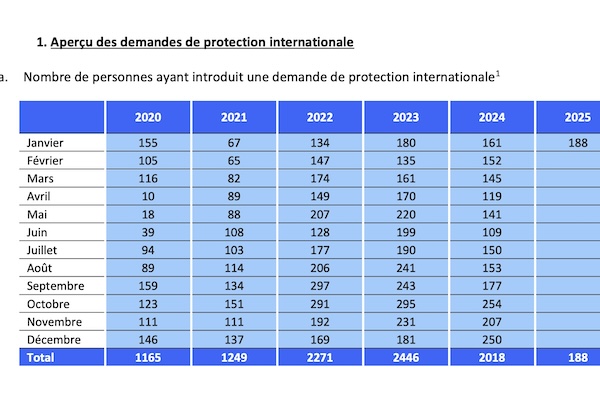
The landscape of asylum and international protection is continually changing. Global trends reveal increasing numbers of individuals seeking asylum, often driven by wars, political upheaval, and environmental crises. Additionally, responses from host countries vary widely, from welcoming policies to more restrictive measures aimed at limiting the number of incoming asylum seekers. These attitudes can have profound implications for international law and human rights.
It is critical for countries to strike a balance between national security and the protection of vulnerable individuals seeking safety. International cooperation and commitment to upholding the principles set forth in international agreements are vital to effectively addressing the challenges of displacement.
Conclusion
Asylum and international protection serve as crucial lifelines for individuals fleeing persecution and danger. Understanding the legal frameworks, rights, and challenges involved in this complex area of international law is vital for fostering a humane and just approach to humanitarian crises. Stakeholders, including governments, NGOs, and civil society, must work collaboratively to protect the rights of asylum seekers and ensure that they receive the support and respect they deserve. The future of asylum and international protection depends not only on policy but also on our collective humanity and willingness to respond to those in need.