
Understanding Secondary Sanctions and Their Impact on International Exposure
In an interconnected world economy, the complexities of international relations are reflected in the way that countries impose sanctions against both state and non-state actors. One critical aspect of this is the concept of Secondary Sanctions & International Exposure. Secondary sanctions are tools used by governments to extend their reach beyond their own borders, significantly impacting companies and individuals engaged in global markets.
What Are Secondary Sanctions?
Secondary sanctions are restrictive measures imposed by a country that target foreign individuals, entities, or countries for doing business or engaging in certain transactions with a sanctioned entity. Primarily associated with the United States, these sanctions aim to deter third-party countries from sustaining or developing economic relations with what the sanctioning nation considers adversaries.
This form of sanctions effectively expands the immediate effects of primary sanctions, which directly prohibit actions within the jurisdiction of the sanctioning country. For example, a primary sanction might prevent a U.S. company from dealing with a country like Iran. In contrast, secondary sanctions can penalize a European firm engaging in trade with Iran, pressuring it to cease such activities or risk exclusion from the U.S. financial system.
The Rationale Behind Secondary Sanctions
The rationale for implementing secondary sanctions is multifaceted. Governments deploy them to:
- Enhance Compliance: By imposing additional economic penalties on third parties, sanctioning nations hope to ensure compliance with their foreign policy objectives.
- Isolate Targeted Nations: Secondary sanctions amplify the pressure on nations that might be on the receiving end of primary sanctions, effectively isolating them economically.
- Signal Commitment: Enforcing these sanctions demonstrates a firm stance against perceived aggressors in the international arena, enhancing the credibility of the sanctioning government.
Impact on Global Business Operations
The onset of secondary sanctions has resulted in profound implications for global business operations. Companies operating internationally mustnavigate these complex legal landscapes as they seek to preserve their market presence while avoiding potential sanctions risks.
Many businesses have adopted rigorous compliance programs to mitigate the risks associated with secondary sanctions. These programs often include:
- Due Diligence: Businesses must conduct thorough background checks on potential partners, customers, and suppliers to ensure they are not indirectly involved with sanctioned entities.
- Risk Assessment: Companies assess the potential risks of doing business in different jurisdictions and identify areas where secondary sanctions could come into play.
- Training and Education: Educating employees about the implications of secondary sanctions and their respective companies’ compliance measures is crucial in safeguarding against unintentional violations.
Case Studies: Secondary Sanctions in Action
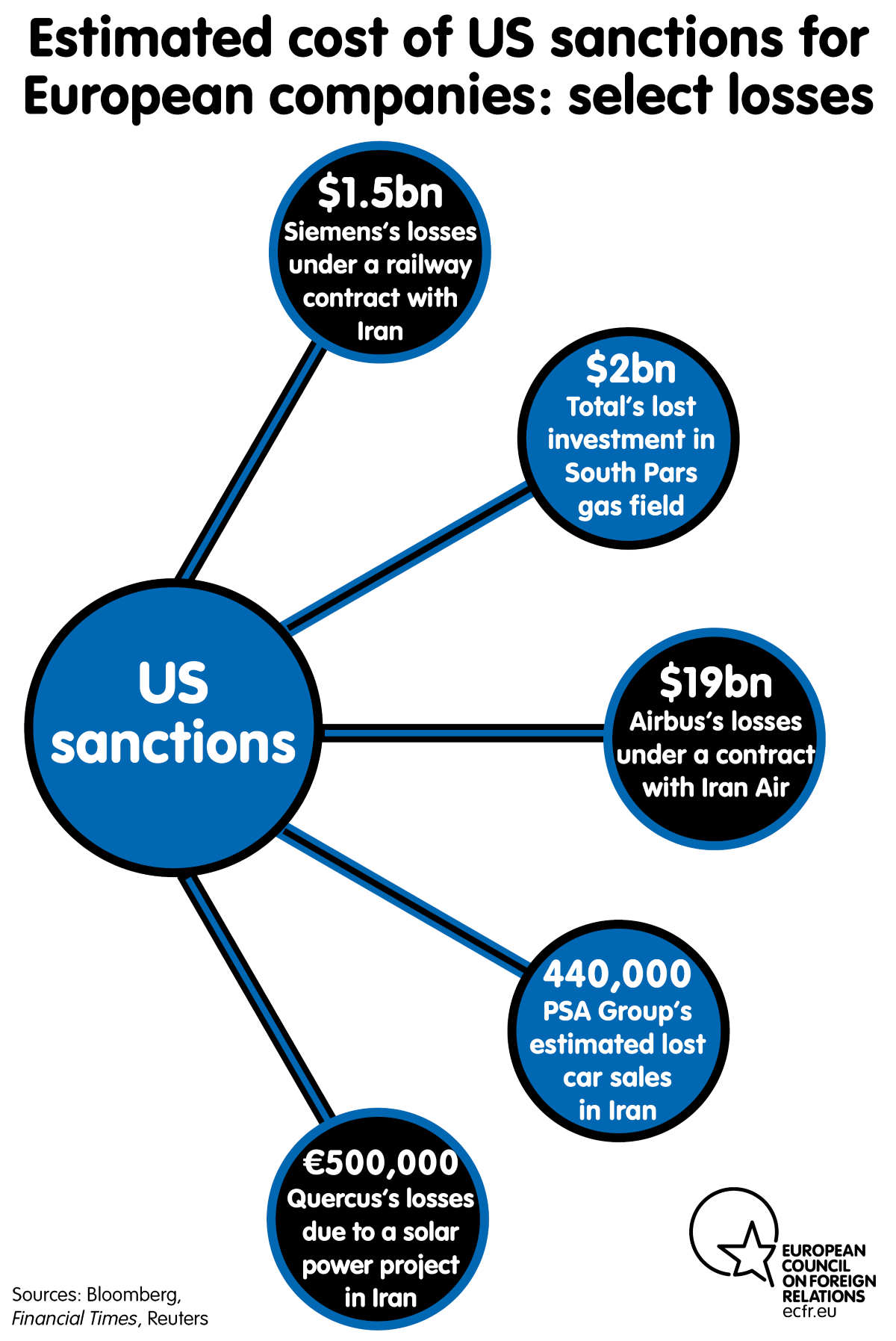
There have been numerous instances where secondary sanctions have significantly influenced international business dynamics. Notably, the U.S. withdrawal from the Iran nuclear deal in 2018 led to a snapback of economic sanctions against Iran, with secondary sanctions targeting nations and companies continuing to do business with Tehran.

For instance, European companies were forced to reevaluate their investments in Iran as the risk of U.S. sanctions loomed. The decision of many firms to withdraw highlighted the challenges faced when balancing national interests against the penalties imposed by the U.S. government.
Challenges and Controversies
Despite their intended purpose, secondary sanctions have sparked numerous challenges and controversies within the international community. Critics argue that such measures can be seen as extraterritorial and infringe upon the sovereignty of nations. Some of the key challenges include:
- Economic Coercion: Secondary sanctions can compel states to alter their foreign policies or economic relations, raising ethical considerations about the legitimacy of such coercion.
- Retaliation: Countries subjected to secondary sanctions may retaliate against the sanctioning country, leading to strained diplomatic relations.
- Global Trade Disruption: The broad application of secondary sanctions can disrupt global trade patterns and create significant market uncertainties.
Future of Secondary Sanctions
As geopolitical tensions evolve, the use of secondary sanctions will likely remain a cornerstone of international policy. Countries may continue to adapt their approaches toward economic warfare, utilizing secondary sanctions more frequently in response to perceived threats.
Furthermore, global shifts toward multipolarity may challenge the efficacy of secondary sanctions. Countries banding together may seek to create alternative financial systems to reduce dependency on sanctioning nations, a trend that could fundamentally alter the landscape of international business.
Conclusion
In summary, secondary sanctions represent a powerful instrument in the realm of international relations and commerce. Their implications can extend far beyond the borders of any one nation, influencing global economic dynamics and exposing companies to legal and financial risks. As such, understanding these sanctions and their effects is essential for any business engaged in international trade.