

Nauru ECRCP Program: Comprehensive Overview and Impact
The Nauru Enhanced Climate Resilience and Coastal Protection (ECRCP) Program is a significant initiative that aims to bolster the resilience of Nauru’s communities and ecosystems against the looming threats of climate change. The program is designed to address multiple dimensions of climate resilience, focusing on infrastructure, environmental conservation, and community engagement. For a detailed description of the program, visit Nauru ECRCP Program Details. This initiative represents a crucial step toward safeguarding the future of Nauru’s natural resources and enhancing the well-being of its citizens.

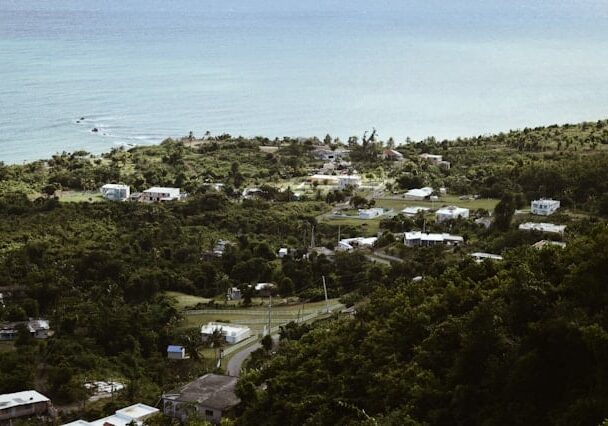
Background of the ECRCP
With its low-lying topography and limited land area, Nauru faces unique challenges as a small island nation. The impacts of climate change, such as rising sea levels, increased frequency of extreme weather events, and changes in rainfall patterns, pose substantial risks to the ecological integrity and the socio-economic stability of the island. Recognizing these vulnerabilities, the Nauruan government, along with international partners, initiated the ECRCP to implement targeted interventions aimed at enhancing the country’s adaptive capabilities and ensuring the sustainability of its natural resources.
Goals and Objectives
The primary objectives of the ECRCP are multi-faceted, focusing on several key areas:
- Infrastructure Development: Enhancing coastal protection infrastructure, such as sea walls and revetments, to mitigate the effects of coastal erosion and flooding.
- Ecological Restoration: Implementing projects aimed at restoring damaged ecosystems, including coral reefs and mangroves, which play a vital role in maintaining biodiversity and providing natural barriers against storm surges.
- Community Empowerment: Engaging local communities in climate adaptation initiatives to foster resilience and ensure that adaptation measures are culturally appropriate and widely accepted.
- Data Collection and Research: Establishing a robust monitoring system to track climate-related changes and assess the effectiveness of implemented interventions.
Implementation Strategies
To achieve its objectives, the ECRCP employs a range of strategies:
- Collaborative Approach: The program emphasizes collaboration between government agencies, non-governmental organizations, and local communities, ensuring that all voices are heard in the decision-making process.
- Capacity Building: Training and workshops are conducted to equip local stakeholders with the knowledge and skills needed to participate actively in climate resilience efforts.
- Integrated Coastal Zone Management: Adopting a holistic approach to coastal management that incorporates ecological, social, and economic factors into planning and decision-making.
Expected Outcomes
The anticipated outcomes of the ECRCP are significant, aiming to create a more resilient Nauru. Key expected outcomes include:
- Reduced Vulnerability: By reinforcing coastal infrastructure and restoring natural habitats, Nauru aims to minimize its vulnerability to climate-related disasters.
- Improved Community Well-being: Enhanced resilience will lead to improved livelihoods, as communities will be better equipped to cope with climate impacts, thus fostering economic stability.
- Increased Biodiversity: Ecosystem restoration efforts are expected to enhance biodiversity, offering long-term ecological benefits and supporting local fisheries and tourism.
Challenges and Considerations
While the ECRCP presents a promising pathway for climate adaptation in Nauru, certain challenges need to be addressed:
- Funding and Resources: Securing adequate funding and resources to implement all planned activities remains a critical challenge, necessitating ongoing support from international partners and donors.
- Monitoring and Evaluation: Establishing effective monitoring and evaluation mechanisms is essential to assess the impact of interventions and ensure continuous improvement in adaptive strategies.
- Community Engagement: Maintaining high levels of community engagement and participation is vital for the success of the program, as local ownership of initiatives can significantly enhance sustainability.
Conclusion
The Nauru ECRCP represents a comprehensive effort to combat the adverse impacts of climate change and promote sustainable development within the island nation. By focusing on integrated coastal management, infrastructure development, and community involvement, the program aims to ensure that Nauru can withstand the challenges posed by climate variability while fostering economic growth and ecological preservation. As the global community increasingly recognizes the significance of climate resilience, Nauru’s commitment to the ECRCP could serve as a model for other small island developing states facing similar challenges.
In summary, the successful implementation of the Nauru ECRCP can lead to transformative changes and bolster the nation’s ability to navigate the complexities of a changing climate. By prioritizing resilience, Nauru is not only working to protect its environment but also its people and future generations.